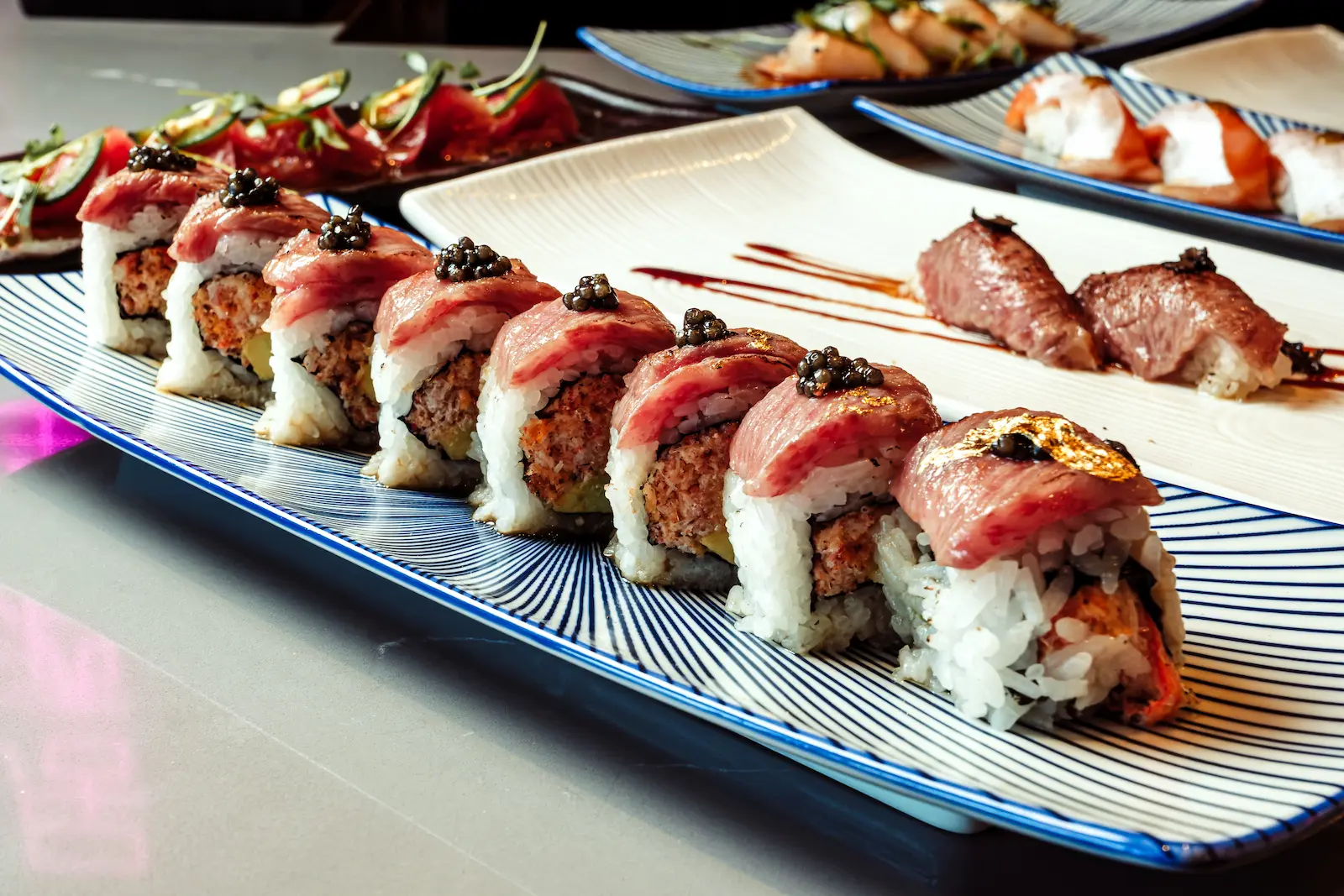
There are plenty of sushi restaurants in Las Vegas, and most of them have appealing menu photos and solid ratings. That makes it hard to tell which ones deliver a premium sushi or omakase experience and which only look the part. The difference usually sits in details a photo can't show: how the fish is handled, how the sushi rice is made, the chef's technique, how the menu is structured, and whether the ingredients reflect the season. Practical factors count too, including atmosphere, price, location, and reservation rules. This guide explains what to look for, how to compare your options, and what to ask before you book, whether you live in the Las Vegas area or are visiting for a few days.
Premium sushi is not just sushi with expensive ingredients. It is sushi where every part of the process is done with care, from buying the fish to the moment the piece reaches your plate. Several things set it apart from standard sushi:
Price is a poor shortcut. A high price can reflect rare ingredients, but it can also reflect location or décor. A modest menu can be well executed, and an expensive one can be forgettable. Judge what is on the plate, not only what is on the bill.
Omakase is a Japanese phrase that means “I leave it up to you.” You let the chef decide what to serve instead of choosing dish by dish. The meal arrives as a series of courses, often one at a time, in an order the chef has planned.
Ordering à la carte puts you in control. You pick the rolls, nigiri, and sashimi you want, in the order you want them, and the menu stays the same. Omakase hands that control to the chef in exchange for a more guided meal, often built around what looks best that day or season. That is why the menu can change from visit to visit.
It also explains why omakase often costs more than ordering a few pieces. You are paying for a planned sequence, the chef's judgment, and usually a higher level of attention. If you want to see how one Las Vegas restaurant describes its format, an omakase experience in Las Vegas page is a useful example of what a restaurant typically spells out.
Raw fish leaves little room to hide. Quality shows up in flavor, aroma, and texture, so pay attention to all three.
Fresh, well-handled fish should taste clean and slightly sweet or savory depending on the type, never sharp or fishy. Texture varies by fish. Tuna can be silky or meaty, yellowtail is often buttery, and some white fish are firm and almost crisp. A good kitchen knows how to bring out those qualities.
Freshness is only part of the story. Some fish are better after a short period of aging, which can deepen flavor and soften the texture, while others are best served soon after cutting. Good chefs adjust for each one.
Variety helps too. When you are comparing options for premium sushi in Las Vegas, notice whether the menu offers different cuts and preparations, such as lightly seared pieces, cured fish, or items finished with citrus or salt. Also note the difference between nigiri, where fish sits on seasoned rice, and sashimi, which is sliced fish served without rice. Restaurants that do both well usually care about the fundamentals.
You can't audit a supply chain from your seat, so be cautious with big sourcing claims. A chef who can explain what each piece is and why it is served that way is a better sign than a slogan.
Many first-time diners focus only on the fish. Experienced sushi eaters will tell you the rice matters just as much.
Sushi rice is seasoned, usually with vinegar, salt, and sometimes sugar. The vinegar balance is key. Too little and the rice tastes flat, too much and it overwhelms the fish. Good rice is also served close to body temperature. Slightly warm rice under cool fish makes the topping taste more vivid, while cold, hard rice dulls the whole piece.
Texture is the other test. Well-made nigiri holds together when you pick it up, then loosens gently in your mouth, with grains that stay distinct instead of packing into a paste. The ratio matters as well. If the rice dwarfs the fish, or the fish hangs far over the rice, the bite feels unbalanced. If you taste the rice and think it belongs with the fish, the kitchen is probably doing the basics well.
In omakase, the chef is a big part of what you are paying for. Skilled hands show up in small ways: clean cuts, nigiri that is shaped firmly but not tightly, rice handled gently, seasoning that is balanced, and each piece served at the right moment. Nigiri is best eaten shortly after it is made, so timing is part of the craft.
Course progression is also the chef's job. A good chef controls pacing, so the meal neither rushes nor drags.
Interaction varies. Some chefs explain every course, while others work quietly and answer questions only when asked. Neither style is better. What matters is that you can ask what you are eating and that the chef notices how you are enjoying the meal. If you want to understand how a restaurant describes its philosophy and kitchen, how one chef describes their approach can give you a sense of what to look for in that kind of explanation.
A good omakase is more than a collection of costly ingredients. It has a shape. Many menus start with lighter dishes such as small appetizers, seasonal items, or sashimi, then move into nigiri, and may include a cooked dish or a specialty preparation before finishing with soup, a hand roll, or dessert.
The logic is simple. Delicate flavors come first so they are not buried by richer, fattier cuts later. A meal that jumps back and forth between heavy and light can feel tiring, while a well-sequenced one stays interesting from start to finish.
The exact order differs by restaurant, and none of it is a fixed rule. What you want is a sense of intention. Reading a restaurant's sushi menu next to its omakase information shows you how the two formats differ, and whether the omakase seems designed or simply assembled.
Seafood has seasons. Availability changes with fishing conditions, weather, and supply, and some fish taste better at certain times of year. That is why omakase menus change, and why a chef may swap an item on short notice.
For diners, that means expecting some variation. Check the current menu or ask what is being served that week. This does not mean seasonal always means better. A well-run kitchen can serve excellent fish year-round, and a “seasonal” label does not guarantee quality. Treat it as one useful signal among several.
The setting changes how omakase feels, and the right choice depends on what you want from the evening.
Think about the occasion. A date night or anniversary may call for a calm, intimate room. A business dinner needs a noise level where you can talk. A casual night with friends may suit something livelier. Check photos, read recent descriptions, or call and ask what the room is like, because the atmosphere is hard to judge from a menu.
Published omakase prices in Las Vegas range widely, from under $100 per person at some restaurants to several hundred dollars at others. Prices change, so always confirm the current figure with the restaurant. These are the main factors:
When you want to see how a restaurant lists its tiers, check the course counts and prices it publishes, and compare them against what you actually plan to order and drink.
Because omakase is chef-selected, you cannot simply order around an ingredient. If you have a fish allergy, a shellfish allergy, a gluten restriction, a vegetarian requirement, or any other restriction, say so before you make the reservation, not after you sit down.
Soy sauce usually contains wheat, so gluten can be a concern even when the sushi looks simple. Fish and shellfish allergies are the hardest to work around on a menu built mostly from seafood.
Some restaurants can adjust a menu with advance notice, and some cannot, particularly for strict restrictions. Do not assume every omakase restaurant can accommodate every request. Contact the restaurant directly or call before booking, and ask for a clear answer.
Las Vegas is spread out, and where you eat changes the evening more than people expect. Sushi and Japanese restaurants are found on the Strip and in downtown, along Spring Mountain Road in Chinatown, and in Summerlin, Henderson, and the southwest and west parts of the valley. Think practically:
Locals may prefer a restaurant close to home or on the way to somewhere else, while visitors may care more about being near their hotel.
There is no single answer. Omakase is meant to be enjoyed at a deliberate pace, and the length depends on the number of courses, how the chef paces service, the restaurant's format, how many diners are seated together, and whether you add a beverage pairing.
Some meals are fairly compact, while others stretch across a long evening. Rather than guessing, ask how long a typical seating lasts and plan around it. If you have a show to catch or a ride waiting, you will want to know before you sit down.
It can be, with a little preparation. Because the chef guides the meal, you do not need to know what to order, which is helpful if you are new to sushi. It can also feel intimidating if you do not know what to expect. A few things help:
If you are unsure about committing to a full omakase, a casual à la carte dinner can be a lower-pressure way to learn what you like first.
Choosing premium sushi in Las Vegas should take more than a glance at price or a polished dining room. The right restaurant depends on the quality of the seafood, the care put into the rice, the chef's technique, how the menu is structured, how seasonal ingredients are used, the atmosphere, your budget, the location, and what you personally enjoy.
Take time to read the details and ask questions, and be honest about preferences and restrictions. A good omakase should feel well paced and welcoming, whether it is your first or your twentieth. When you are ready to compare formats, you can see how a Las Vegas sushi bar presents its omakase and check it against the list above.