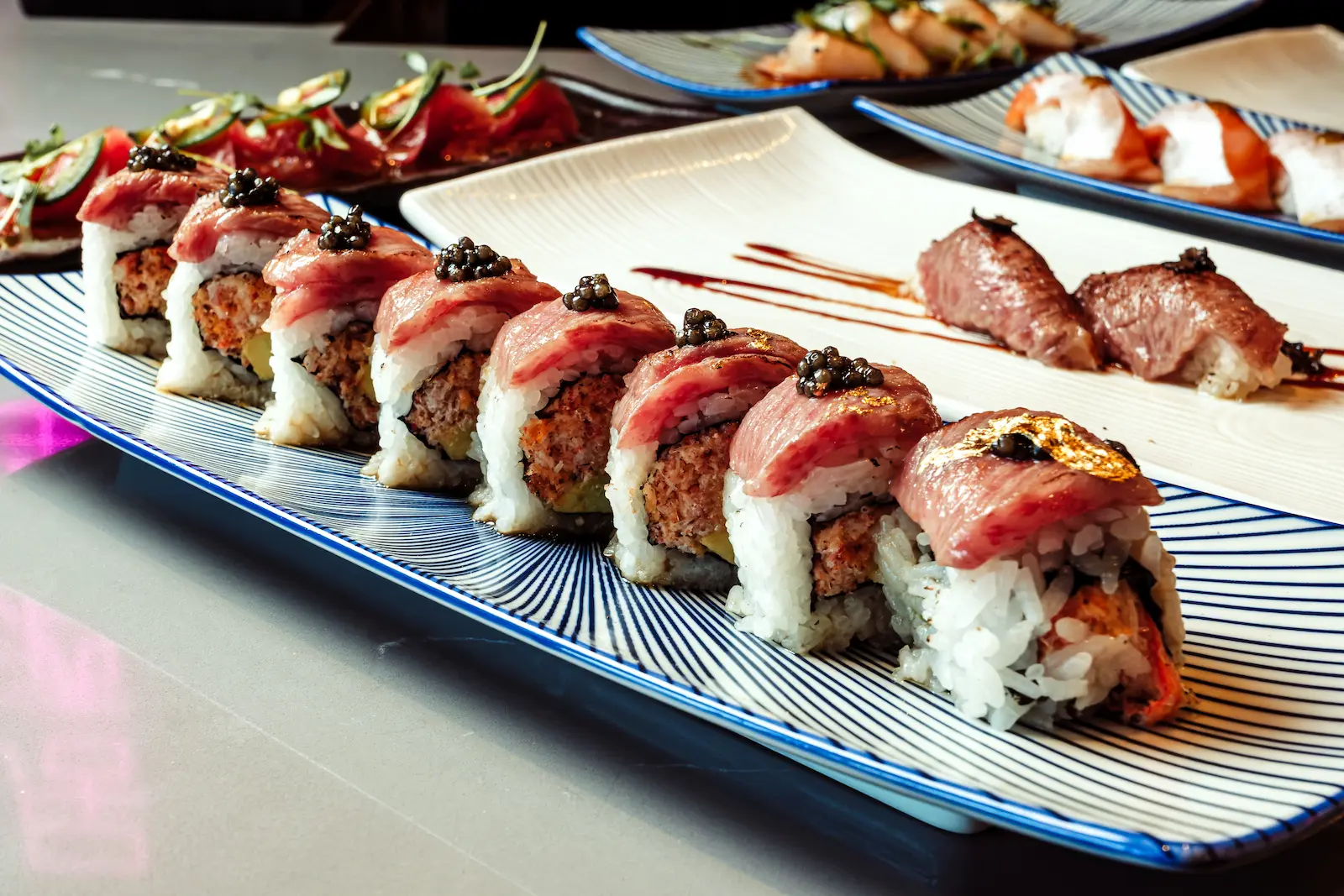
Japanese cuisine offers much more than sushi rolls. From delicate slices of fresh seafood to charcoal-grilled skewers and crispy tempura, it brings together different ingredients, textures, and cooking techniques. For anyone exploring Japanese food in Las Vegas, knowing which dishes to try can make choosing from a restaurant menu much easier.
Las Vegas has a diverse Japanese dining scene, with restaurants offering everything from traditional sushi and sashimi to creative specialty rolls and grilled seafood. Whether you are visiting a Japanese restaurant for the first time or looking to try something different, these five popular food categories are a good place to start.
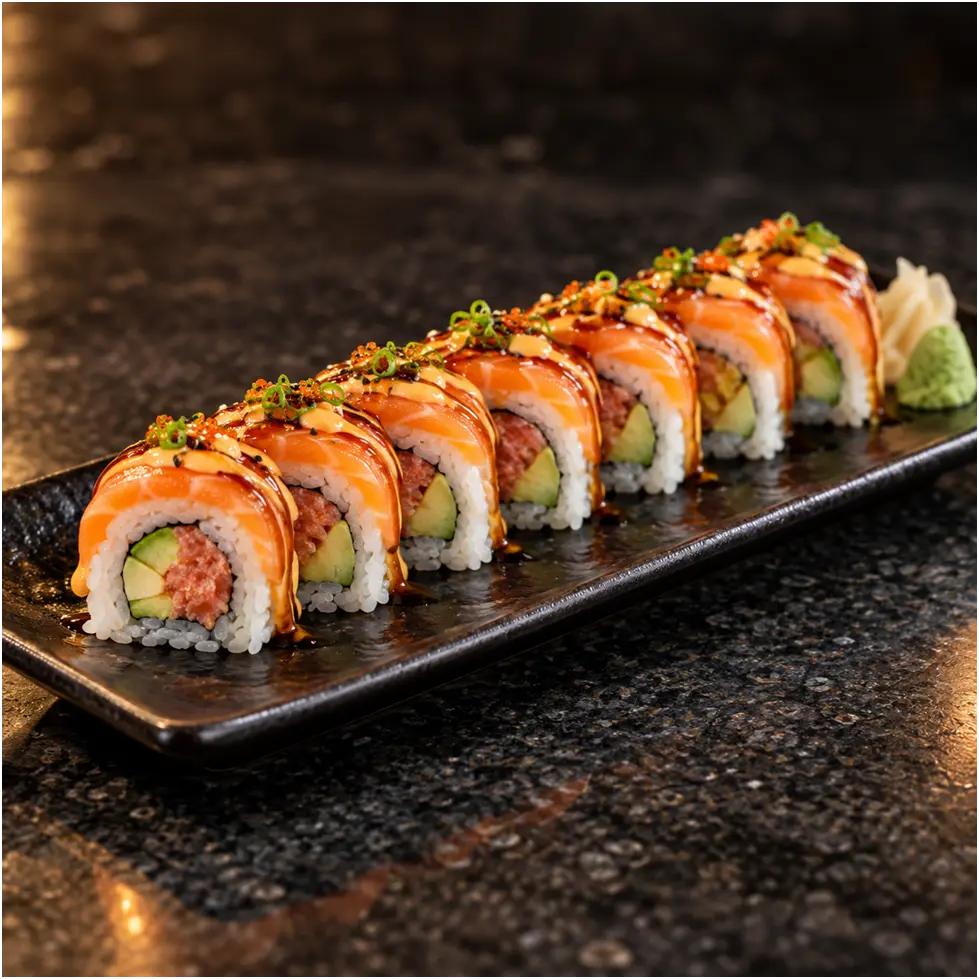
Sushi is one of the most recognized Japanese dishes and a common favorite at Japanese restaurants around the world. It is prepared using seasoned rice, usually combined with seafood, vegetables, and other ingredients.
When exploring Vegas sushi restaurants, you will find both traditional rolls and specialty combinations. Traditional options include tuna rolls, salmon rolls, and California rolls, while speciality rolls often feature multiple seafood ingredients, sauces, and toppings.
Some popular varieties worth trying include:
Speciality rolls are particularly interesting because different combinations create contrasting flavours and textures. If you are comparing sushi places in Las Vegas, looking at the variety of rolls available can help you find something that suits your taste.
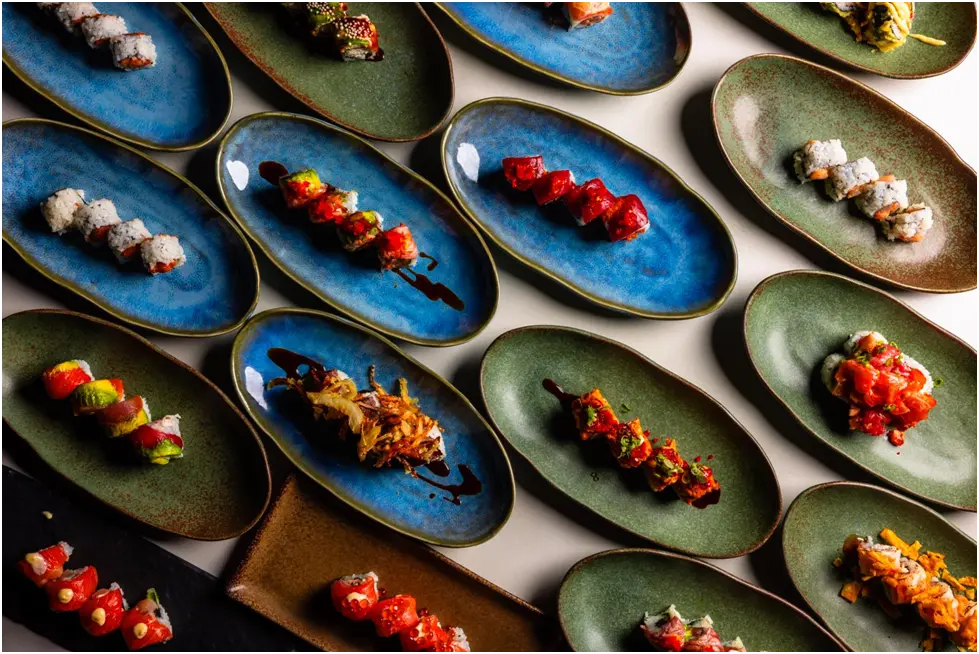
Sashimi is made from carefully sliced raw seafood and served without rice. Unlike sushi, which includes seasoned rice as a key component, sashimi focuses on the flavor and texture of the seafood itself.
Common varieties include salmon, tuna, yellowtail, and scallops. Some Japanese restaurants also offer premium selections such as bluefin tuna belly and sea urchin, commonly known as uni.
Sashimi is generally served with soy sauce, wasabi, and pickled ginger. It is a good option for diners who enjoy seafood and prefer a simpler preparation without additional toppings or sauces.
If you are exploring Japanese restaurants in Las Vegas, an assorted sashimi platter can be a convenient way to try several seafood varieties in one order.
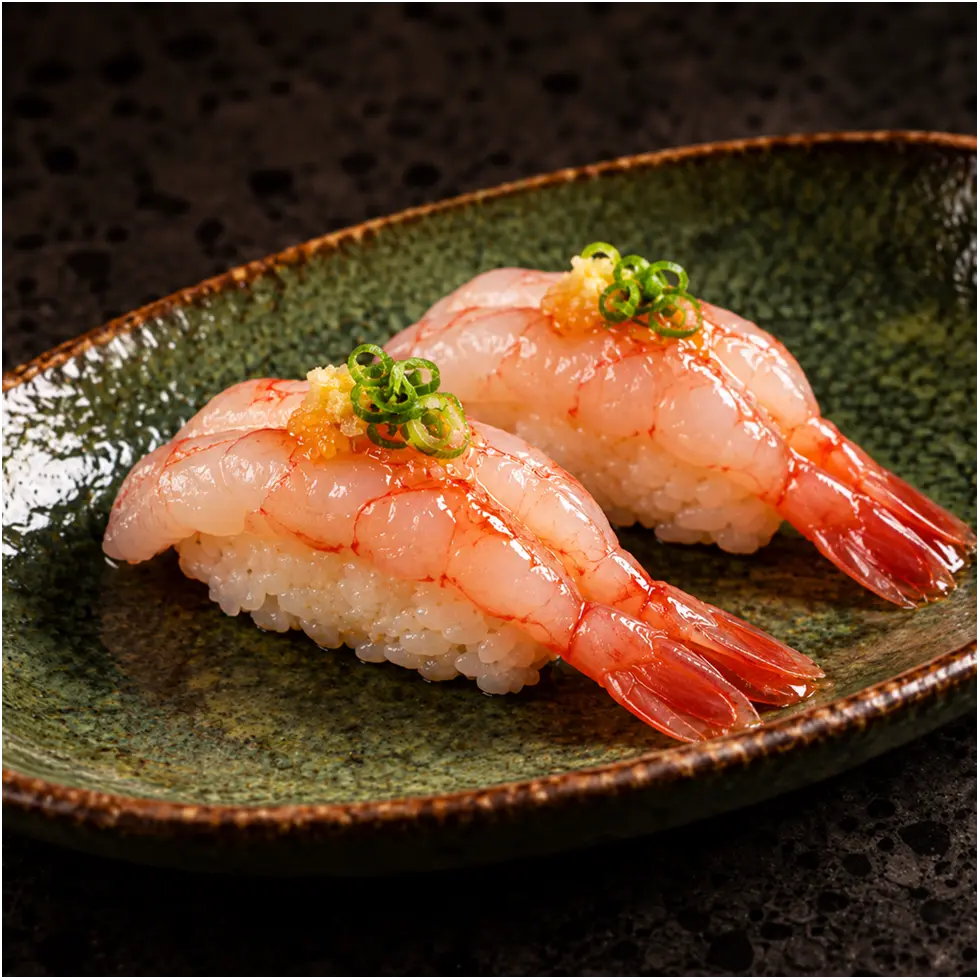
Nigiri is another popular type of sushi. It consists of a small portion of seasoned rice shaped by hand, with a slice of seafood placed on top.
Common options include salmon, tuna, yellowtail, shrimp, and scallops. Some preparations also include a small amount of wasabi between the rice and seafood.
Unlike specialty rolls, nigiri keeps the ingredients relatively simple. This makes it a good choice for people who want to experience the individual flavor and texture of different seafood varieties.
If you are new to Japanese food, salmon or tuna nigiri can be a good starting point. You can also order different varieties together to compare their flavors.
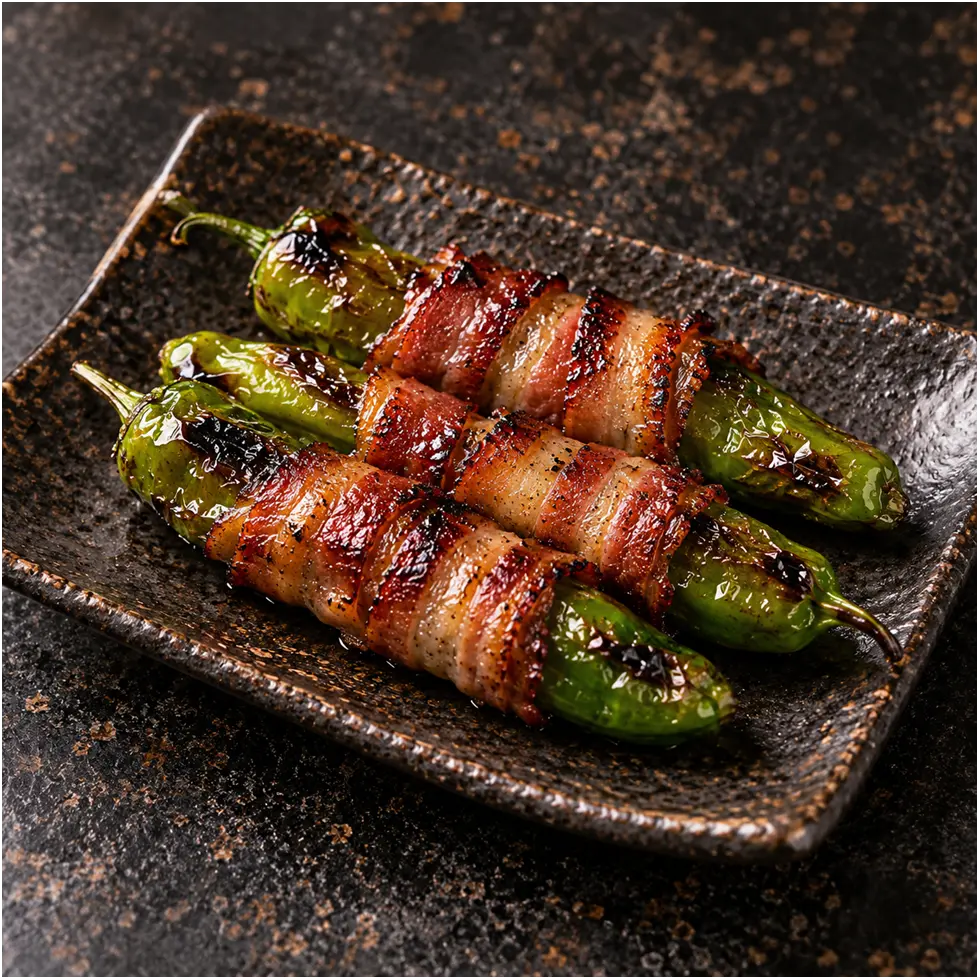
If you prefer cooked dishes over raw seafood, robata is worth exploring.
Robata, short for robatayaki, is a Japanese grilling technique traditionally associated with cooking food over charcoal. But what is a robata grill? It is a charcoal-based grilling setup used to prepare ingredients such as seafood, meat, and vegetables.
The charcoal gives ingredients a smoky aroma and lightly grilled exterior while allowing their natural flavors to come through.
Some popular dishes prepared using robata-style grilling include:
Robata offers a different experience from sushi and sashimi because it focuses on cooking ingredients over direct charcoal heat. It is also a good option for sharing several dishes at the table.
The use of charcoal is what distinguishes traditional robata grilling from many other cooking methods. It adds a smoky flavour and helps create a lightly charred exterior.
Cooking time and temperature also matter, particularly when preparing seafood and smaller cuts of meat. When done properly, the ingredients retain their texture while developing the characteristic flavour of charcoal grilling.
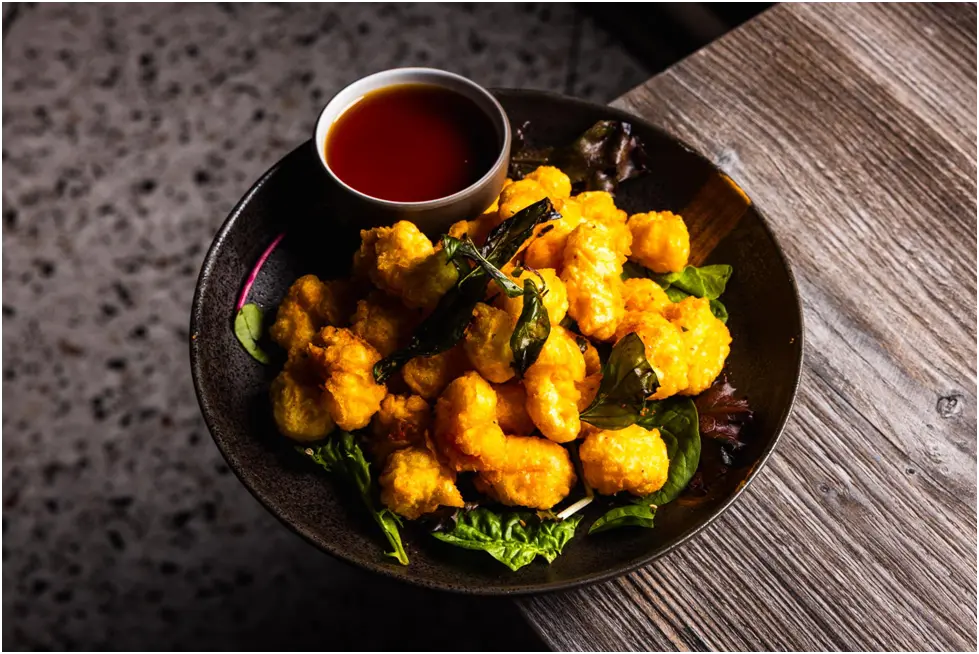
Tempura is a popular Japanese preparation in which seafood or vegetables are coated in a light batter and deep-fried until crisp.
Common choices include shrimp, squid, sweet potato, mushrooms, and seasonal vegetables. Unlike heavier fried preparations, tempura is traditionally made with a relatively light batter that creates a delicate, crisp coating.
It is often served with a dipping sauce called tentsuyu, which typically combines dashi, soy sauce, and mirin.
For seafood lovers, shrimp tempura is a familiar option, while vegetable tempura offers a different combination of textures and flavours.
When exploring Japanese food in Las Vegas, tempura is worth considering if you want a cooked dish alongside sushi, sashimi, or grilled selections.
Once you know which dishes you enjoy, choosing a restaurant becomes easier. Japanese restaurants in Las Vegas, NV, offer different dining styles, from traditional à la carte menus to speciality sushi selections and all-you-can-eat experiences.
If you enjoy trying several sushi varieties, an all-you-can-eat sushi restaurant may be worth considering. These restaurants generally offer a selected menu for a fixed price, although the available dishes and ordering rules vary.
Before choosing an all-you-can-eat sushi option, check whether specialty rolls, nigiri, sashimi, and premium seafood are included. Some restaurants have additional charges for certain ingredients or dishes.
For a more varied dining experience, look for menus that include both seafood and cooked options. This gives you the flexibility to enjoy sushi, grilled skewers, and other Japanese-inspired dishes in one visit.